

Profiles are often viewed as the Holy Grail of communications. “How can we get a New York Times profile?” is the leading cause of groans among PR pros.
But let’s say you land one. You spend 11 interviews over the course of a year with a reporter from a major national magazine. By the time the piece is nearing publication, you’re tired. You’re over it. You just want to get through the photoshoot.
Don’t.
As Sara Blask, Head of Communications and Brand at Google-owned Intersect put it:
Visual imagery travels faster than any other medium. Make it count. The details matter.
A Tale of Two Portraits
Lest you doubt the impact a photo can have, let’s compare two recent portraits. Both are of 28-year-old women. Both have new, or newish, roles in American political life. How different could the two photos be?
Let’s take a look:
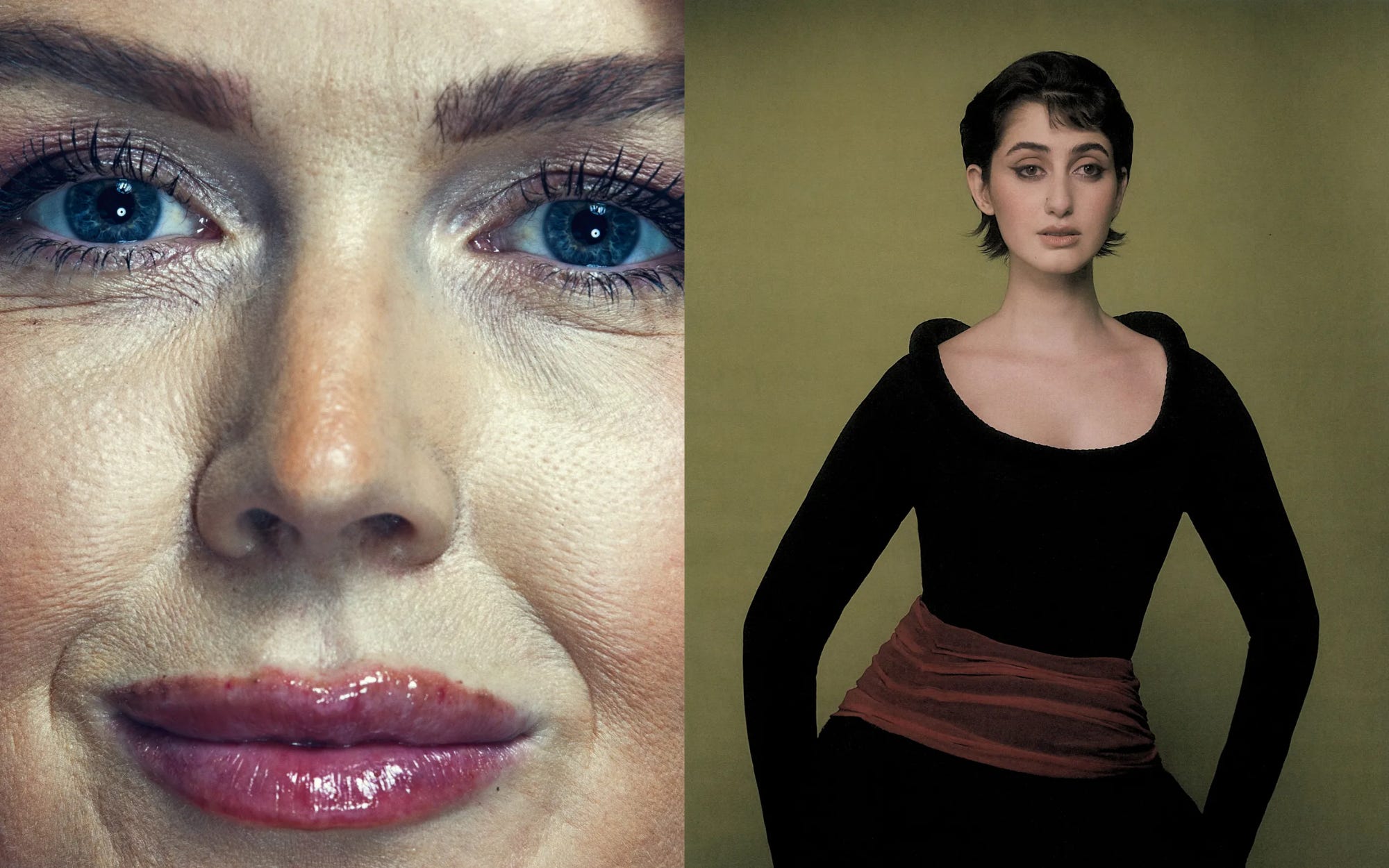
Different vibes, non? Yes, one is a MAGA Republican and the other a Democratic Socialist, but the difference is about more than where they sit on the the political horseshoe.
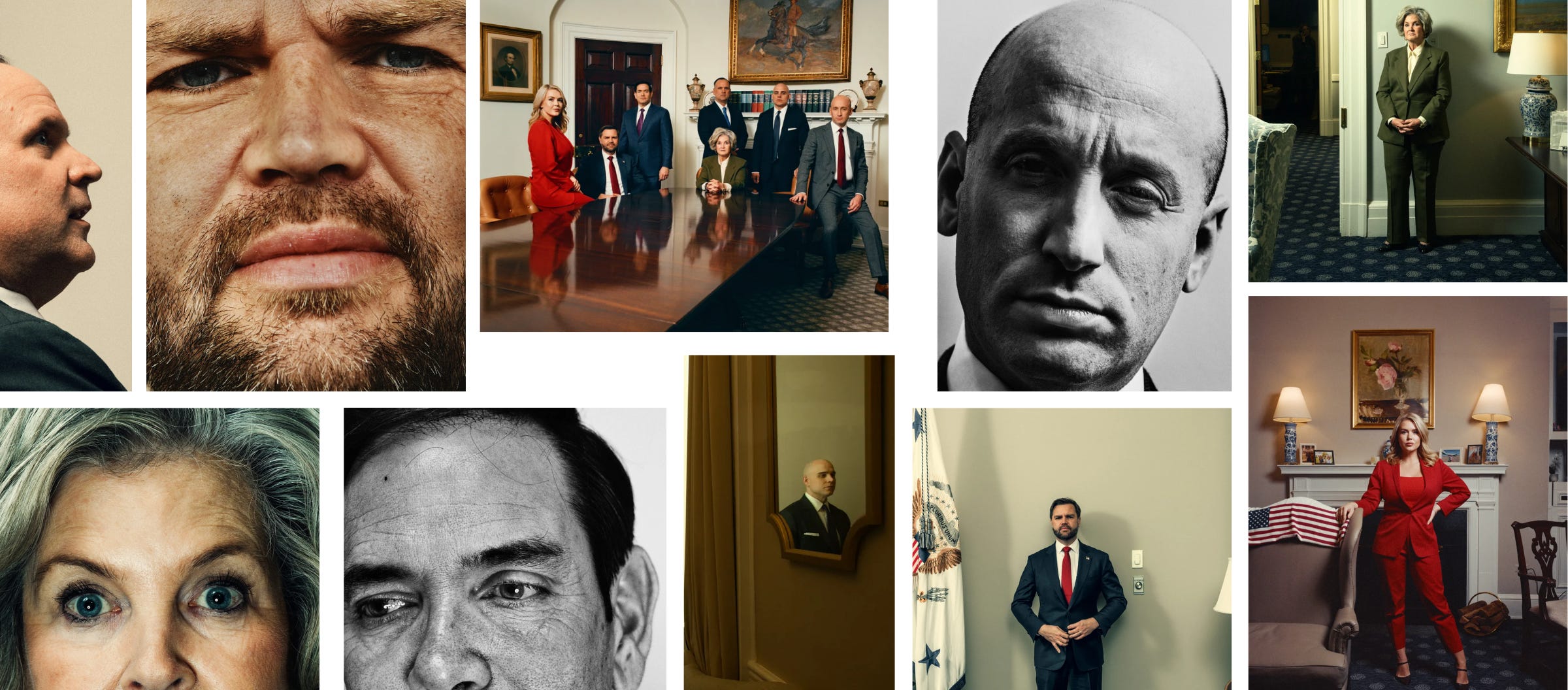
Left: Karoline Leavitt, the White House press secretary, is shot super-close-up in super-high contrast. The result is that she looks artificial and admonishing, like a middle-aged school administrator.
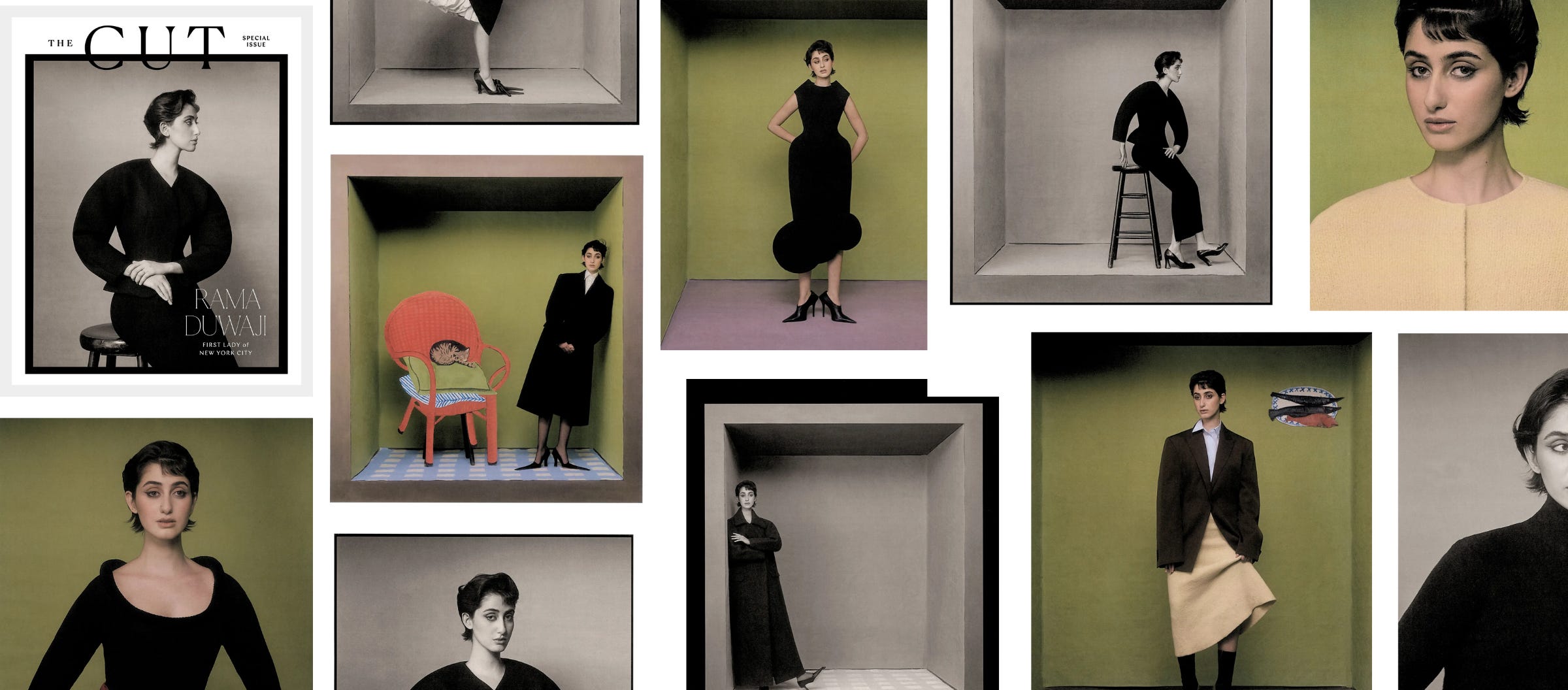
Right: Rama Duwaji has an artifice too, though it manifests more as aloofness. The framing recalls royal portraiture, giving the new First Lady of New York City a regal quality that reads as either artsy-cool or artsy-weird-and-hauty, depending on whether you’ve ever been [romantically or socially] traumatized by a hot girl at a Bushwick loft party.
In other words, these photos lead you to draw all sorts of conclusions about the people in them. And that’s before you even start reading — if you ever do. (How many people saw the Vanity Fair photos without reading the more than 10,000 words that accompanied them?)
A Guide
Ok, you get it. Photos matter. So how do you take a good one when the stakes are high?
1. Know thy photographer.
The work begins well before the photo shoot begins. You or your team should get the photographer’s name and understand their style. Do they tend to like close-ups or group shots? Do they typically shoot in color or black and white, high contrast or low?
Depending on the outlet, you may have more or less ability to control the shoot’s creative direction. (As a general rule, non-hard-news outlets like fashion magazines tend to be more likely to work with you.) Regardless, you should know what to expect. As Azza Cohen, a filmmaker and former official videographer for Vice President Kamala Harris who writes about visual power and politics for The Contrarian, told me:
Visuals are communication. If you want them to tell the right story, you have to communicate with the photographer or videographer when possible. That dynamic changes depending on whether the shoot is client-driven or editorial, but awareness still matters.
2. Dress for success.
As Cristin Culver, the Founder and Principal of Common Thread Communications told me in a recent email:
Before you speak, publish, or give an interview, what you’re wearing has already said something…. Clothes don’t just accessorize a narrative. They either back it up or quietly contradict it. They make you real and authoritative, or they introduce doubt.
We’ve seen this in politics for eons. Politicians, royalty, and heads of state dress with intention all the time: rolled-up sleeves to signal “I work,” fleece vests to signal “I’m one of you,” uniforms to signal authority, restraint, patriotism, power distance, seriousness. None of that is accidental.
The same rule applies in business. If you lead a company and have a narrative you’re trying to sell, your clothes are ‘owned media.’ They signal what you value, who you’re for, and whether you actually believe the story you’re telling.
For an example of what not to do, Culver added:
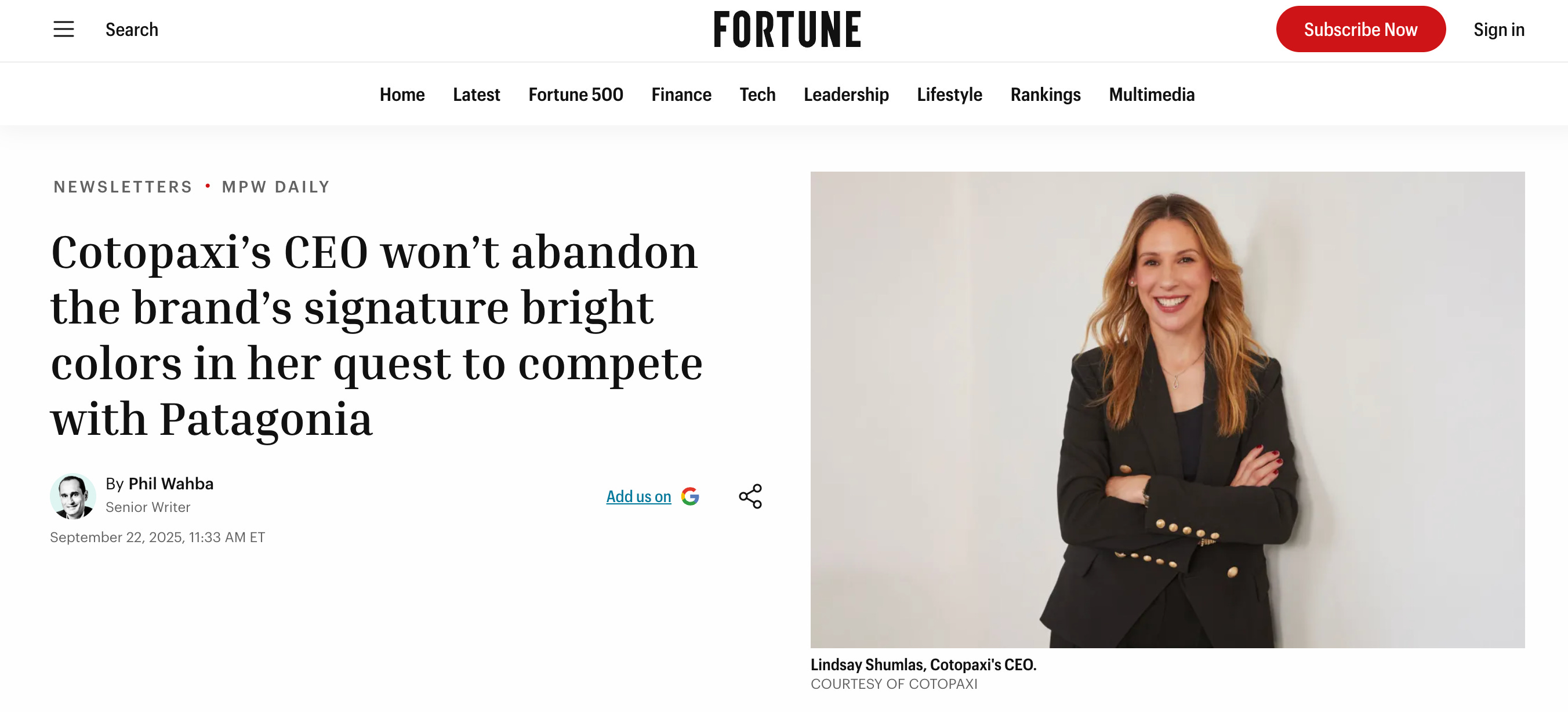
A couple months ago, I was incredibly triggered reading a Fortune profile of Cotopaxi’s CEO who talked about how her brand is defined by color. Then I scrolled to the company-provided headshot of her in an all-black blazer, from another brand, zero color in sight. My jaw dropped. I thought: this is not a serious person. That disconnect matters (to me, at least).
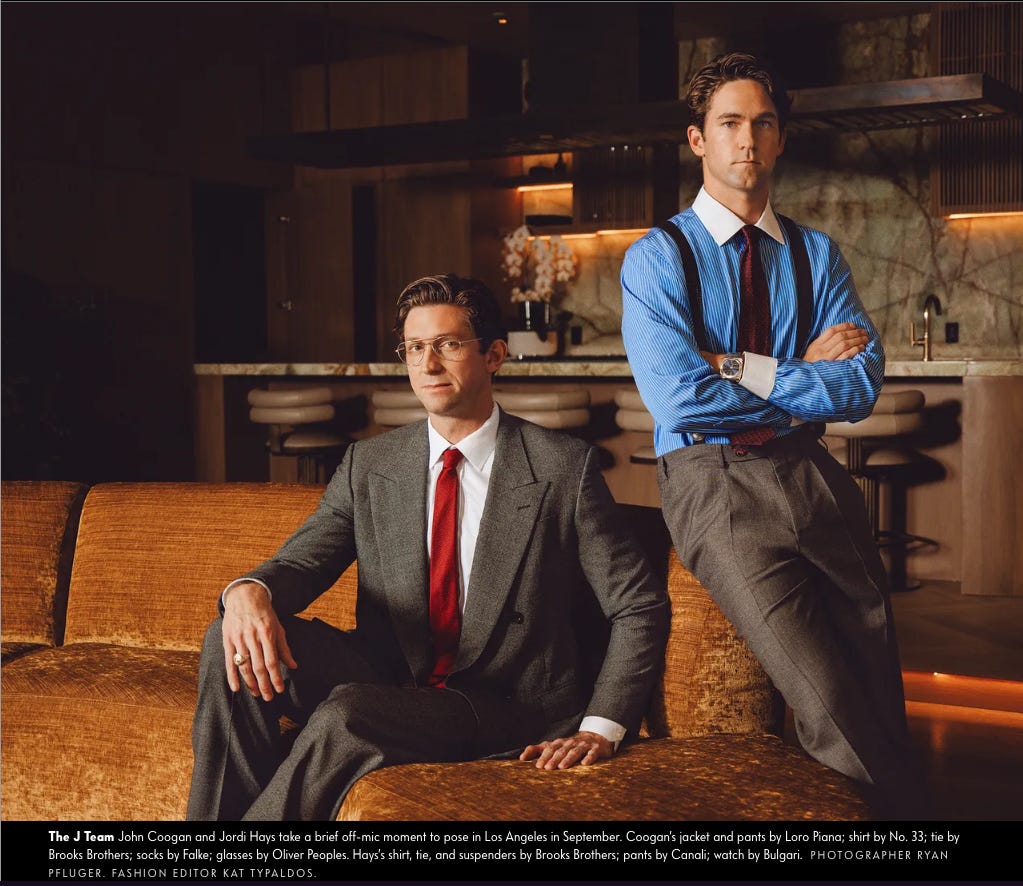
Meanwhile, the pair behind tech media juggernaut TBPN absolutely nailed their clothing choices in a recent Vanity Fair profile. Their show’s whole vibe is somewhere between ESPN and 1980’s Wall Street: Their brand kit includes “mahogany (‘the official wood of business’), shades of green (the color of money), [and] racing livery jackets and hats.” That spirit is reflected in the Loro Piana suit and Bulgari watch.
3. Frame your set.
It’s not just about you. It’s also about everything around you. This is why politicians spend lots of time at local ice cream parlors and state fairs. It’s why CEOs of major multinationals tour their factories and farms when reporters are in tow.
As Kati Dahm, Communications Advisor at Revel, put it:
[T]hink of your “set.”… We’d always aim to do videos with the factory or hardware in the background to show progress.
Or, as Intersect’s Blask quipped:
If it’s not hardware, it’s not real.
You can follow this advice even if you aren’t building hardware. Does your office have a lot of personality? Are you building in a geographically unique part of the country? Are you building for families and could feature your own? Get creative!
4. Pose!
Most (good) comms advise boils down to: Be yourself! Be authentic! Phoniness is off-putting and bad!
Yes. And. Posing isn’t natural for most of us. Or rather, if I posed naturally, I would look like a constipated hunchback. I need to force myself to pull my shoulders back and push my chin out and position my face.
Cohen suggests keeping in mind three things when posing:
Pay attention to where your gaze and body are oriented. Aim toward the right side of the frame. Facing toward the right side of the frame can materially change how a viewer perceives your authority, credibility, and intent…. Orientation is one of the easiest things to control, and it makes a difference in how seriously you’re taken.
Consider a serious or steady expression. This isn’t universal. If you work in sales, marketing, or a customer-facing role, smiling makes sense regardless of gender. But for founders, technical leaders, or people in authority-driven roles, a neutral or serious expression often communicates more effectively.
Ask for a slight low angle to convey authority. In photography and cinematography, there are three basic angles—low, eye-level, and high. A low angle means the camera is below the subject’s eyeline. Eye-level is neutral. High angle means the camera is above you.
A slight low angle is powerful. Height is universally read as authority. When a camera is positioned above you, especially on a tall tripod, it makes you appear shorter and, by extension, less authoritative. That’s unfair, but it’s real.
You see this constantly in political imagery. Look at photos coming out of the White House, particularly of Trump. They’re often shot from a low angle to exaggerate height and power. That’s classic “hero shot” framing.
Profiles live or die on impressions. What people absorb in a nanosecond can do more to impact your lasting legacy and lore than any long-form article. Treat it accordingly.
Getting a good photo is so hard. I love your tips. I went the route of making my husband, who is a pretty skilled amateur photographer, take 150 photos of me to find 2 good ones. The struggle is real.
I needed this before I got my last headshots.